
Mold Won't Wait. Neither Should You.
When disaster strikes, mold spreads fast—threatening your family's health and your property's value within 24-48 hours. Our rapid response teams deploy across Texas to stop contamination before it destroys your home.
- 24/7 emergency dispatch statewide
- Health hazards contained immediately
- Insurance documentation handled
⚠ Common Issues
When Do You Need Emergency Mold Removal in Texas?
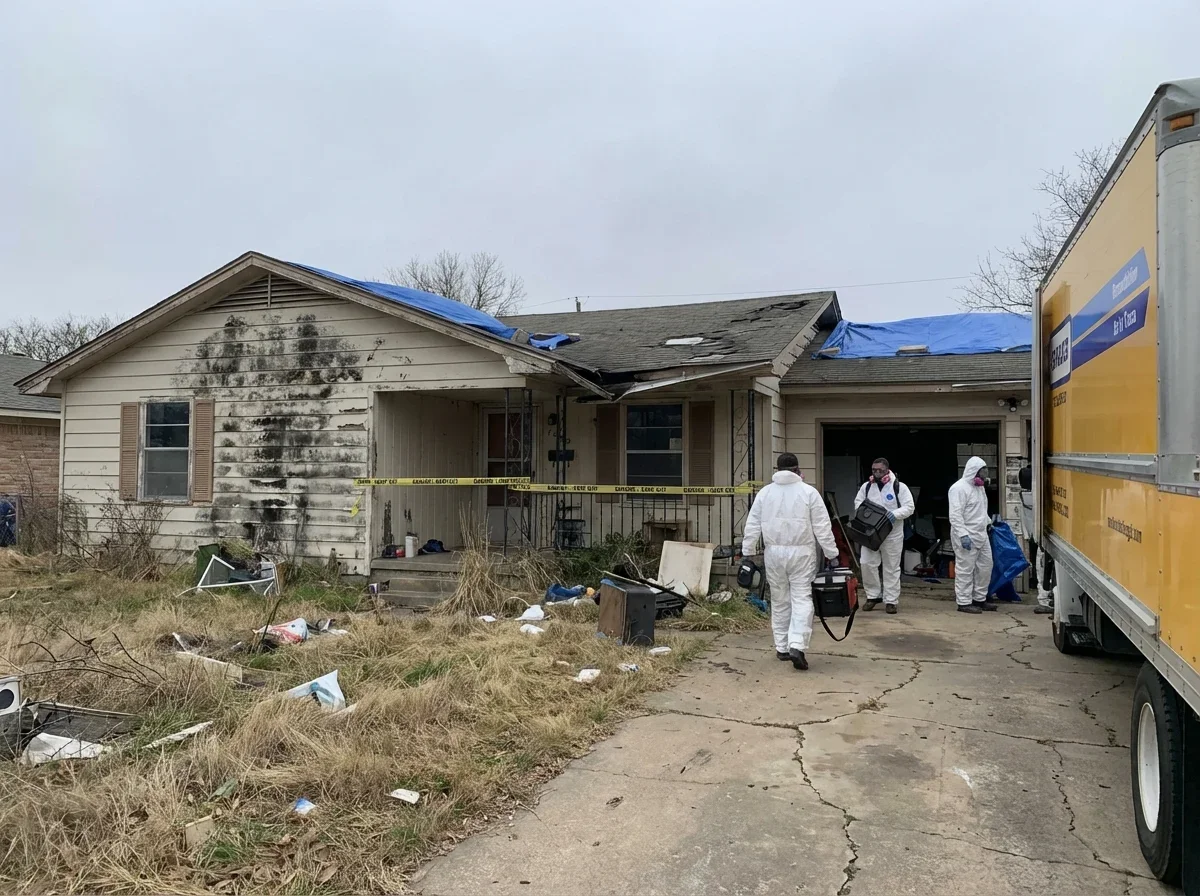
Not every mold discovery requires an emergency response. True mold emergencies threaten health, property value, or escalate rapidly without immediate intervention.
Disaster-Related Mold Emergencies
Post-hurricane flooding along the Gulf Coast from Houston to Corpus Christi creates ideal conditions for explosive mold growth.[3] Tropical storm surges, backed-up sewage systems, and roof leaks during severe weather introduce contaminated water that accelerates colonization. Burst pipes during winter freezes in Dallas or Fort Worth leave standing water in wall cavities where mold thrives undetected.
Health-Threatening Discoveries
Sudden respiratory distress, visible black mold covering more than 10 square feet, or musty odors indicating hidden growth behind walls warrant immediate professional assessment. HVAC system failures during Texas summer heat create condensation that turns ductwork into mold incubators within days.
Property Risk Situations
Real estate transactions in Austin or San Antonio can collapse when inspections reveal active mold. Insurance claims require professional documentation within 24-48 hours of discovery to maintain coverage for emergency mitigation costs. Rental properties with tenant health complaints need immediate response to avoid liability.
Humid Texas conditions accelerate everything. What takes a week to develop in dry climates can appear in 48 hours here, especially May through September when heat and moisture peak.
$ Cost Guide
What Does Emergency Mold Removal Cost in Texas?
Emergency mold services carry premium pricing for immediate availability and after-hours response. Here's what you'll actually pay in Texas markets.
| Service Component | Emergency Cost | Standard Scheduled Cost |
|---|---|---|
| Initial assessment/mobilization | $300-$500 | $150-$300 |
| Hourly emergency labor rate | $150-$300/hour | $75-$125/hour |
| Weekend/after-hours premium | +50% base rate | N/A |
| Containment setup (per room) | $400-$800 | $250-$500 |
| Emergency water extraction | $3.50-$7/sq ft | $2.50-$4.50/sq ft |
Emergency Service Premiums vs. Standard Pricing
A typical emergency response for a flooded 300-square-foot bathroom in Houston runs $2,500-$4,000 for initial containment and stabilization. The same scenario scheduled during business hours costs $1,800-$2,800. You're paying 30-50% more for immediate response, but you're preventing a $10,000+ remediation project if mold spreads unchecked.
Full remediation following emergency stabilization follows standard pricing: $500-$6,000 depending on square footage and severity. Post-hurricane whole-house scenarios in coastal Texas cities can exceed $15,000 when water damage mold removal requires extensive demolition.
Insurance Coverage for Emergency Response
Most Texas homeowner policies cover emergency mold mitigation when directly caused by a covered peril (burst pipes, storm damage). The 24-48 hour documentation window matters—late reporting can void coverage. Emergency contractors familiar with insurance claim mold services streamline this process, often communicating directly with adjusters while containment work proceeds.
Deductibles typically apply ($1,000-$2,500), but emergency mitigation costs usually fall under dwelling coverage limits. Sewage backups require separate coverage riders in many policies.
→ What to Expect
The Emergency Mold Removal Process
Emergency mold response differs fundamentally from scheduled remediation. Speed matters, but so does doing it right under pressure.
Initial Response and Assessment (0-2 Hours)
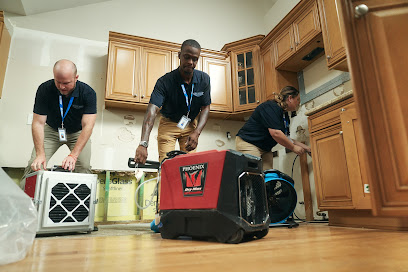
Licensed TDLR contractors arrive with moisture meters, thermal imaging cameras, and air sampling equipment. They map the extent of contamination, identify the water source (still-active leaks get stopped first), and determine occupant safety. If airborne spore counts exceed safe thresholds, you'll be advised to relocate immediately.[3]
Assessment includes photographing damage for insurance documentation—this 24-48 hour window is critical for claim approval.
Immediate Containment and Stabilization
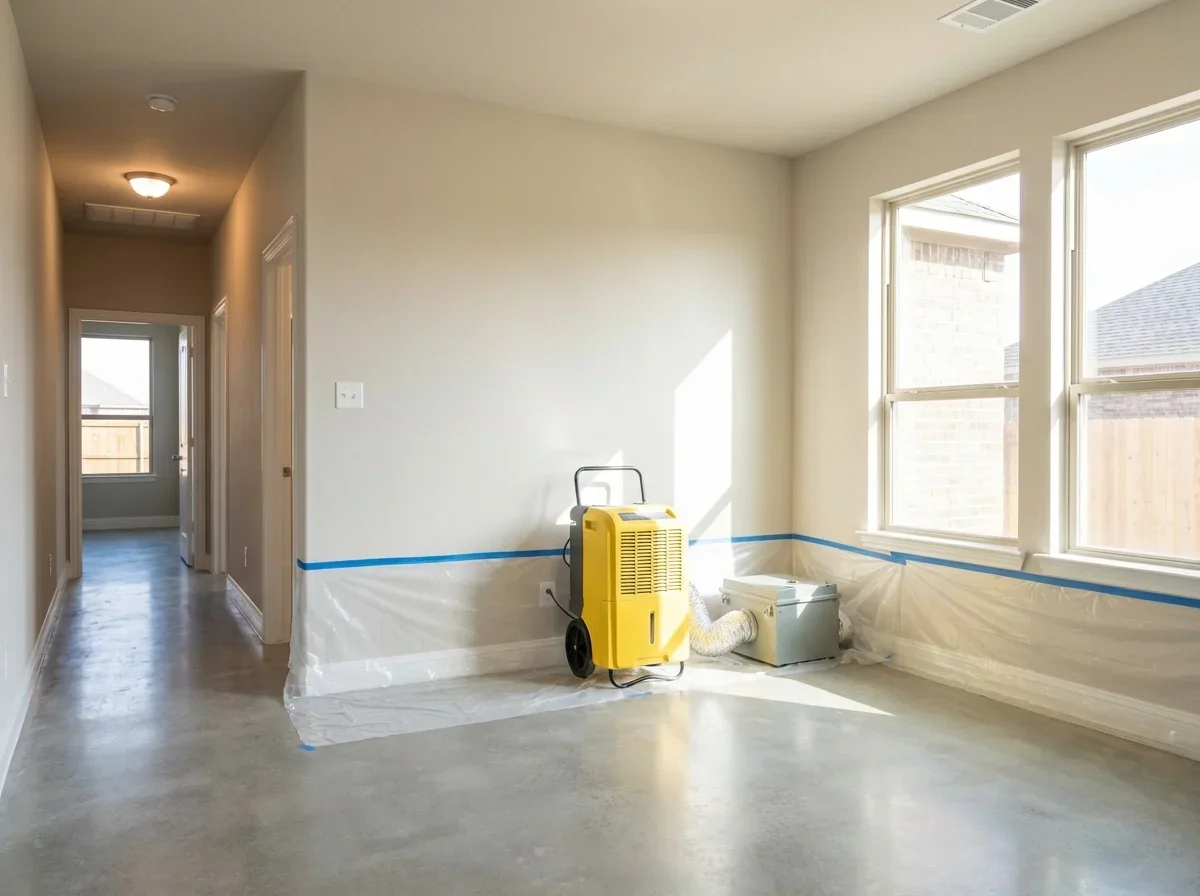
- Containment barriers isolate affected areas using 6-mil polyethylene sheeting sealed with contractor-grade tape
- Negative air pressure systems with HEPA filtration prevent spore migration to clean areas[2]
- Emergency water extraction removes standing water using truck-mounted extractors
- Antimicrobial application stops active growth while full remediation planning occurs
- Dehumidification drops humidity below 50% to halt further colonization
This stabilization phase typically runs 12-24 hours. It's not full remediation—it's damage control that buys time for proper planning.
Full Remediation Planning
Once stabilized, contractors provide detailed scope-of-work estimates for complete removal, typically scheduled 24-72 hours after initial response. This includes structural drying, material removal, HEPA vacuuming, and antimicrobial treatment. Timeline depends on affected square footage—small bathroom incidents resolve in 2-3 days; whole-house flooding in Plano or Arlington can take 1-2 weeks.
✓ Choosing a Contractor
How to Choose an Emergency Mold Removal Contractor
Panic decisions during emergencies lead to regret. Even under pressure, verify these essentials before crews enter your property.
Questions to Ask Before They Arrive
- "What's your TDLR Mold Remediation Company License number?" Verify it immediately at tdlr.texas.gov—unlicensed operators can't legally perform emergency mold work in Texas[1]
- "What's your guaranteed response time?" Reputable emergency contractors commit to 1-2 hour mobilization for true emergencies
- "Do you handle insurance documentation onsite?" Professional teams photograph, measure moisture levels, and provide detailed reports your adjuster needs
- "What containment equipment will you deploy?" Look for negative air machines with HEPA filtration, not just fans and dehumidifiers
- "Will you provide a stabilization-only estimate separate from full remediation?" This prevents scope creep during crisis response
Red Flags During Emergency Situations
- Demanding full payment before work starts (reputable contractors bill insurance directly or accept deposits only)
- Arriving without proper containment equipment or PPE—professional emergency crews look like hazmat teams
- Pressure to sign completion waivers before post-remediation verification testing occurs
- Unable to produce insurance certificates or TDLR license documentation onsite
Texas TDLR Licensing Verification
Texas separates mold assessment and remediation licenses. Emergency contractors need a Mold Remediation Company License at minimum. Many larger operations in Dallas, Austin, and El Paso maintain both licenses for seamless emergency-to-remediation workflow. License verification takes 60 seconds online—do it while they're driving to your property.
Compare emergency contractors in your area using our directory to identify properly licensed teams with verified 24/7 availability and documented response times.
Top Contractors for Emergency Mold Removal
View all →


Frequently Asked Questions
- Texas Department of Licensing and Regulation (TDLR). "Mold-Related Services Sampling Procedures Manual." https://www.tdlr.texas.gov/mold/mold-sampling-procedures-manual.htm. Accessed April 02, 2026.
- Texas Department of State Health Services (DSHS). "Mold Abatement for Texas Schools." https://www.dshs.texas.gov/mold-abatement-for-texas-schools. Accessed April 02, 2026.
- University of Texas Health Science Center at Houston (UTHealth Houston School of Public Health). "Guidelines for Assessment and Sampling of Molds." https://www.sph.uth.edu/content/uploads/2020/07/Guidelines-for-Assessment-and-Sampling-of-Molds.pdf. Accessed April 02, 2026.