Your Insurance Claim Shouldn't Be Harder Than the Mold Problem
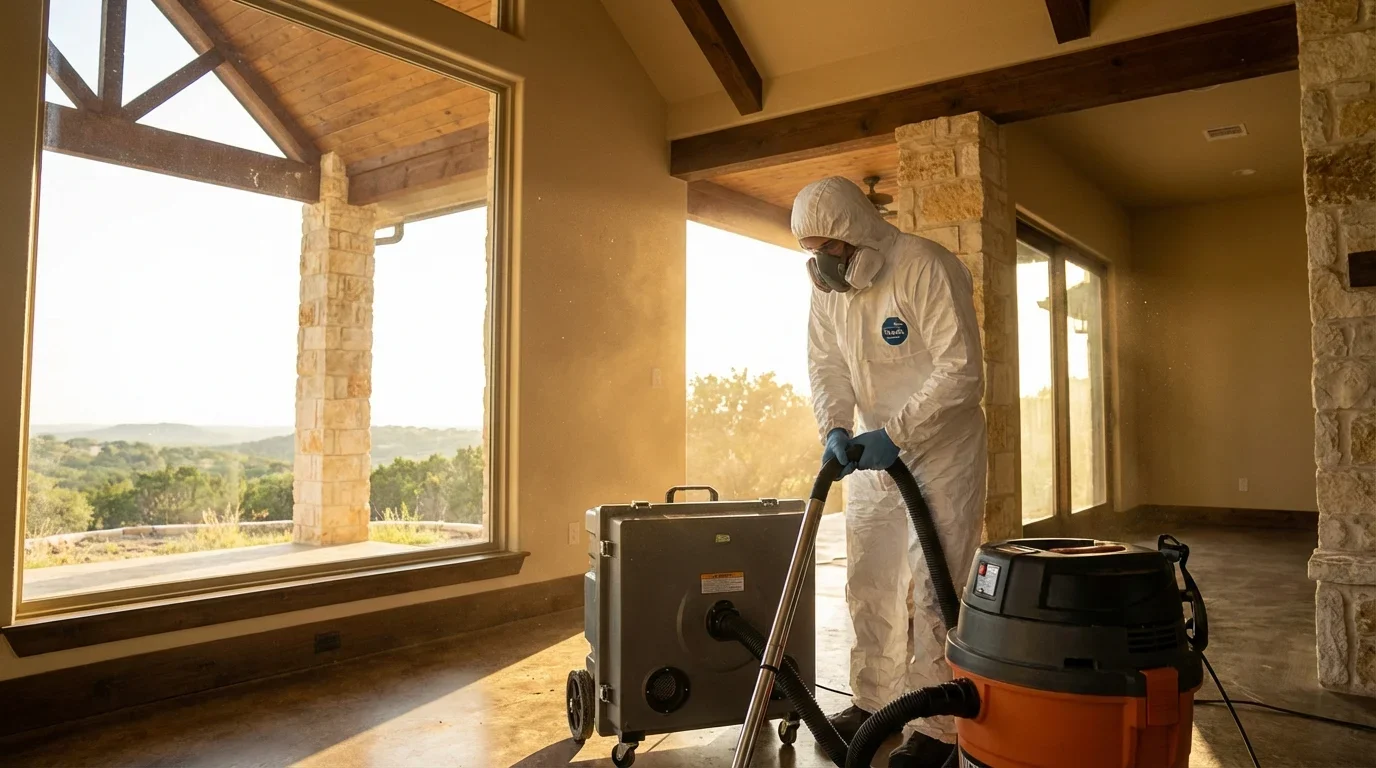
Dealing with mold is stressful enough without fighting your insurance company. We handle the remediation AND the paperwork so your claim gets approved.
- Full photo documentation insurers actually accept
- Direct adjuster coordination throughout the process
- Expert remediation that meets all policy requirements
⚠ Common Issues
When Does Insurance Cover Mold Remediation in Texas?
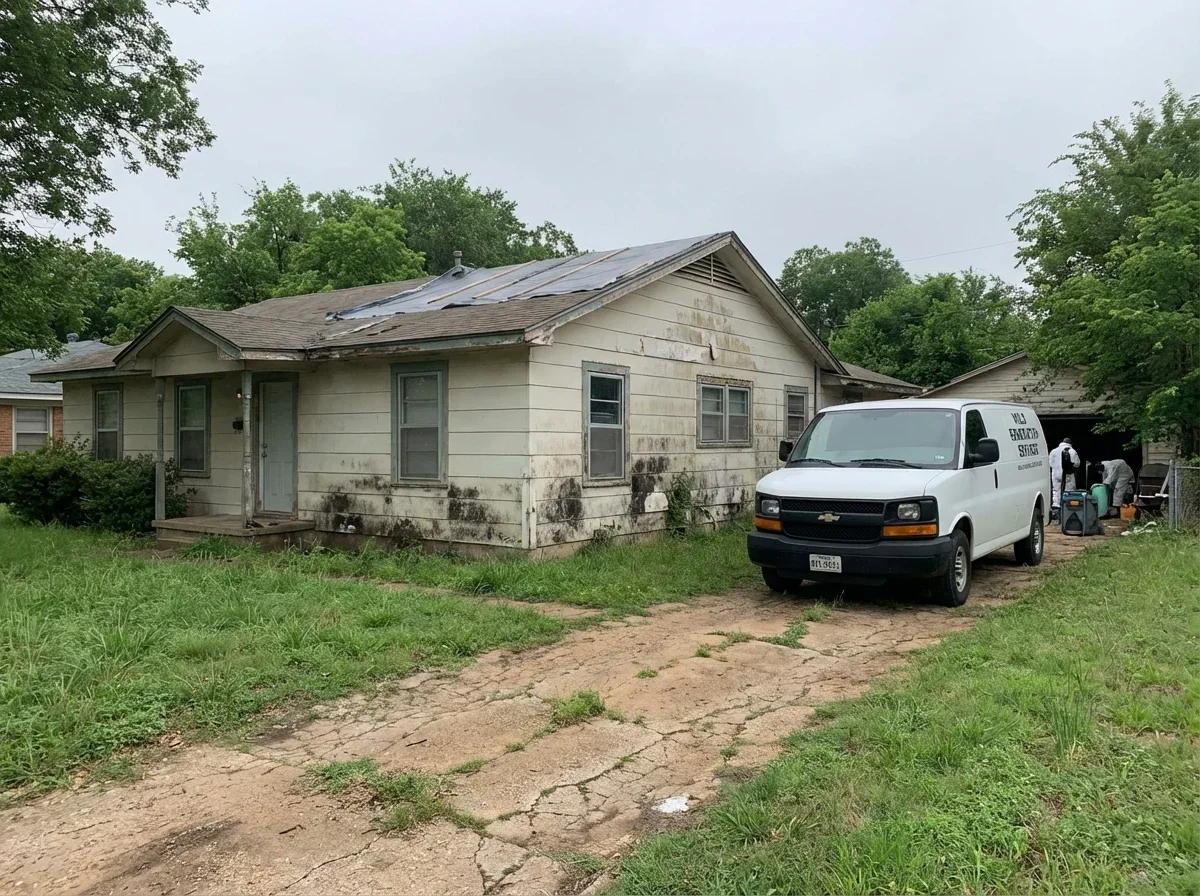
Your policy covers sudden, accidental water damage — not gradual leaks or deferred maintenance.[1] If a pipe burst, your toilet overflowed, or your washing machine hose broke and mold appeared within days, you have a legitimate claim. If the leak dripped for months and you ignored it, expect denial.
Most Texas homeowner policies cap mold coverage at $5,000–$10,000 unless you purchased an optional endorsement after the early-2000s toxic mold litigation wave.[2] Commercial policies typically offer higher limits but still require proof that water intrusion was sudden and unforeseeable.
Timing determines coverage. File your claim within 48 hours of discovering mold following a water event. Delays signal maintenance neglect to adjusters.
Covered vs. Non-Covered Scenarios
Covered:
- Mold growth following burst frozen pipes in Dallas or Fort Worth winter storms
- Post-hurricane flooding remediation in Houston or Corpus Christi (if you carry flood insurance)
- HVAC condensate line failure that soaked drywall in San Antonio's humid summers
- Roof leak from sudden hail damage in Plano
Not Covered:
- Slow bathroom tile grout leaks discovered during remodeling
- Mold from chronic foundation settlement cracks
- Growth caused by poor ventilation or high indoor humidity
- Any scenario where the adjuster determines you knew about the moisture source and failed to act
Texas Insurance Code §554.002 requires insurers to clearly disclose mold coverage limits on your renewal documents.[2] Review your policy before you file.
$ Cost Guide
What Does Insurance Mold Remediation Cost in Texas?
Most approved Texas residential claims settle between $2,500 and $15,000 after your deductible. Commercial property claims range from $10,000 to $50,000 depending on square footage and contamination severity.
Residential Claim Cost Ranges
| Scenario | Typical Approved Cost | Your Out-of-Pocket |
|---|---|---|
| Single bathroom after toilet overflow | $2,500 – $4,500 | Deductible ($1,000–$2,500) |
| HVAC mold from condensate failure | $4,000 – $8,000 | Deductible + any amount over policy mold sub-limit |
| Whole-house remediation post-pipe burst | $10,000 – $15,000 | Deductible (if claim < policy sub-limit) |
| Attic mold from roof leak (sudden storm damage) | $3,500 – $7,000 | Deductible |
Key cost factors adjusters scrutinize:
- Affected square footage — claims scale rapidly when growth spreads beyond the initial moisture source
- Structural vs. surface contamination — drywall and insulation removal costs 3–5× more than surface cleaning
- HVAC system involvement — duct cleaning and air handler decontamination add $1,500–$4,000
- Lab testing expenses — pre-remediation assessment ($300–$600) and clearance testing ($400–$700) are separate line items
Commercial Property Claims
Office buildings, retail spaces, and warehouses in San Antonio, Arlington, and Lubbock average $10,000–$25,000 for localized events. Building-wide contamination following roof failures or plumbing catastrophes reaches $50,000+. Commercial policies typically carry higher mold sub-limits ($25,000–$100,000) but demand extensive documentation.
Out-of-Pocket vs. Coverage Expectations
Your deductible applies first — typically $1,000–$2,500 for residential policies. If your claim is $8,000 and your deductible is $2,000, you receive $6,000.
Policy mold sub-limits cap total payout. If your claim is $12,000 but your policy caps mold coverage at $10,000, you pay the $2,000 difference plus your deductible. Many Texas homeowners discover their $5,000 mold sub-limit only when filing a claim.[2]
Contents cleaning (furniture, clothing, electronics) may fall under separate policy sections. Contents restoration costs $500–$3,000 depending on salvageability.
→ What to Expect
The Insurance Mold Claim Process
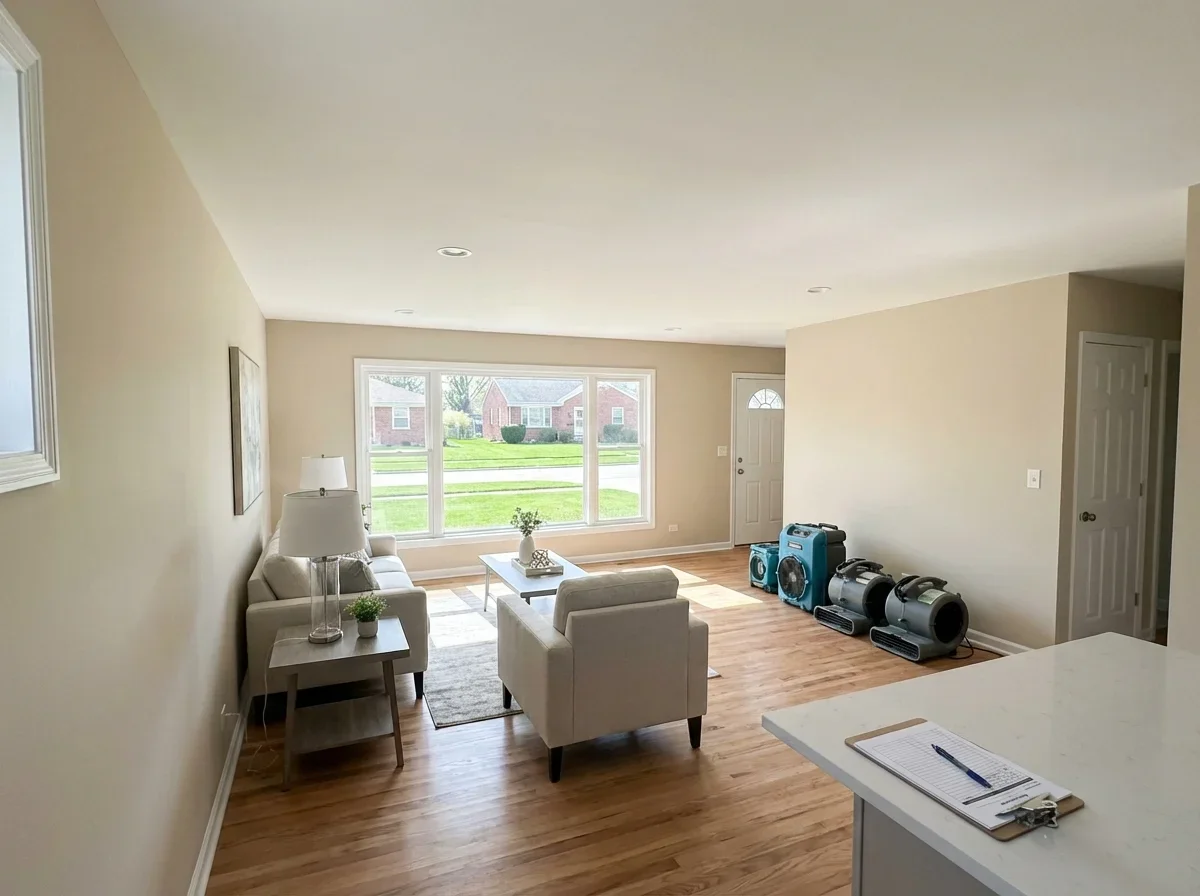
Filing a successful mold claim in Texas requires specific documentation that most homeowners don't have on hand. TDLR-licensed contractors provide the proof adjusters demand.[1]
Initial Documentation and Notification
- Report the water event immediately — most policies require notification within 24–48 hours
- Document the source — photos of the burst pipe, overflowed toilet, or failed appliance before any cleanup
- Contact a TDLR-licensed mold assessor — your insurance company will verify their license number before approving the claim
Do not start remediation before the adjuster visit. Premature cleanup destroys evidence of the moisture source and growth extent.
Adjuster Coordination and Site Assessment
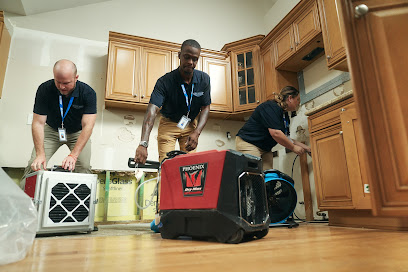
Your contractor schedules the adjuster walkthrough within 2–5 business days. During this visit, the assessor documents:
- Moisture meter readings across affected zones (walls, floors, ceilings)
- Thermal imaging showing hidden water migration paths
- Air quality lab samples (spore counts, species identification)
- Photographic evidence with timestamps and measurements
The adjuster compares your contractor's findings against the policy language. Insurers may conduct their own testing rather than reimbursing yours — coordinate with your contractor to avoid duplicate costs that reduce your settlement.[3]
Remediation Protocol and Approval
Your TDLR-licensed remediation contractor (separate license from assessor) submits a protocol:
| Remediation Phase | Timeline | Insurance Requirement |
|---|---|---|
| Containment and air filtration setup | Day 1 | HEPA filtration, negative air pressure documentation |
| Affected material removal | Days 2–4 | Disposal manifests, before/after photos |
| Antimicrobial treatment | Days 4–5 | Product EPA registration numbers, application logs |
| Structural drying | Days 5–7 | Daily moisture readings until <15% MC |
Most residential claims in Austin and Houston take 5–10 days from approval to completion. Complex commercial work in Dallas or El Paso extends to 2–3 weeks.
Post-Remediation Verification and Claim Closure
The assessor returns for post-remediation verification clearance testing. Without a state-licensed certificate confirming mold removal, your claim remains open and unpaid.[1] Final settlement typically arrives 2–6 weeks after clearance.
✓ Choosing a Contractor
How to Choose an Insurance-Approved Mold Contractor
Your contractor's TDLR licensing status determines whether your claim gets paid. Texas Department of Licensing and Regulation requires separate licenses for mold assessment and remediation — adjusters verify both before approving work.[1]
Questions to Ask Before Signing
- "What is your TDLR mold remediation contractor license number?" — Verify at tdlr.texas.gov. No license = no claim approval.
- "Do you employ a separate TDLR-licensed mold assessor, or do you subcontract one?" — Assessment and remediation must be performed by different entities to avoid conflicts of interest.
- "How many insurance mold claims have you completed in the past year?" — Experience with adjuster documentation requirements prevents claim denials.
- "Will you provide moisture mapping, thermal imaging, and lab reports in formats my insurer accepts?" — Ask to see sample reports from past claims.
- "Do you coordinate directly with my adjuster, or do I manage that communication?" — The best contractors handle adjuster meetings and documentation requests.
- "What is your average timeline from approval to clearance certificate?" — Delays extend your displacement and out-of-pocket temporary housing costs.
Red Flags That Indicate Poor Insurance Claim Support
- Pressure to start work before the adjuster visit — destroys claim evidence
- Unwillingness to provide TDLR license numbers upfront — likely unlicensed
- Estimates that ignore your policy's mold sub-limit — sets unrealistic settlement expectations
- No mention of clearance testing or post-remediation verification — your claim won't close without it
Texas Licensing and Insurance Requirements
All legitimate mold remediation contractors in Texas carry:
- TDLR mold remediation contractor license (separate from general contractor license)
- General liability insurance ($1M minimum) — adjusters require certificate of insurance before approval
- Workers' compensation coverage if they employ staff — protects you from liability during work
Compare contractors who understand Texas Insurance Code §541 and §542 claims handling requirements. Knowing when insurers violate prompt payment laws (18% annual interest on delayed settlements) protects your rights if disputes arise.[2]
Start by comparing TDLR-licensed contractors in your area who specialize in water damage mold removal with proven insurance claim track records. Your settlement depends on their documentation quality, not just their remediation skill.
Top Contractors for Insurance Claim Mold Services
View all →


Frequently Asked Questions
- Texas Department of Insurance (TDI). "When are water damage and mold covered by insurance?." https://www.tdi.texas.gov/tips/when-are-water-damage-and-mold-covered-by-insurance.html. Accessed April 02, 2026.
- Louis Law Group (referencing Texas Insurance Code §542 and §554.002). "Dallas Guide: Texas Property Insurance Law for Mold Damage." https://www.louislawgroup.com/dallas-guide-texas-property-insurance-law-for-mold-damage. Accessed April 02, 2026.
- Texas Inspector. "Water Damage and Mold Claims." https://www.texasinspector.com/files/Handling_Water_Mold_Claims.pdf. Accessed April 02, 2026.