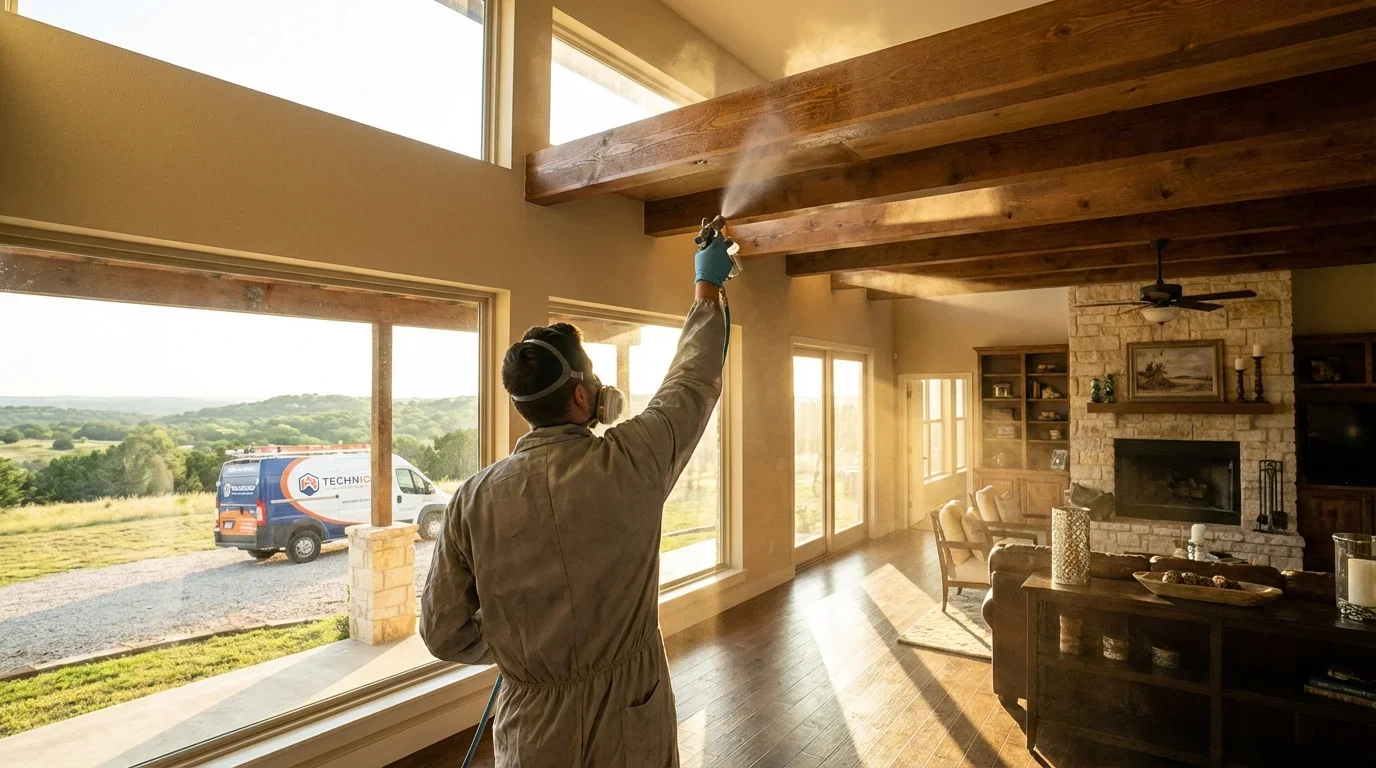
Stop Mold Before It Takes Root in Your Texas Home
High humidity and unpredictable weather make Texas homes prime targets for mold growth. Our prevention strategies keep your property dry, healthy, and mold-free year-round.
- Advanced moisture control and monitoring systems
- Professional-grade dehumidification solutions
- Long-term protection against costly mold damage
⚠ Common Issues
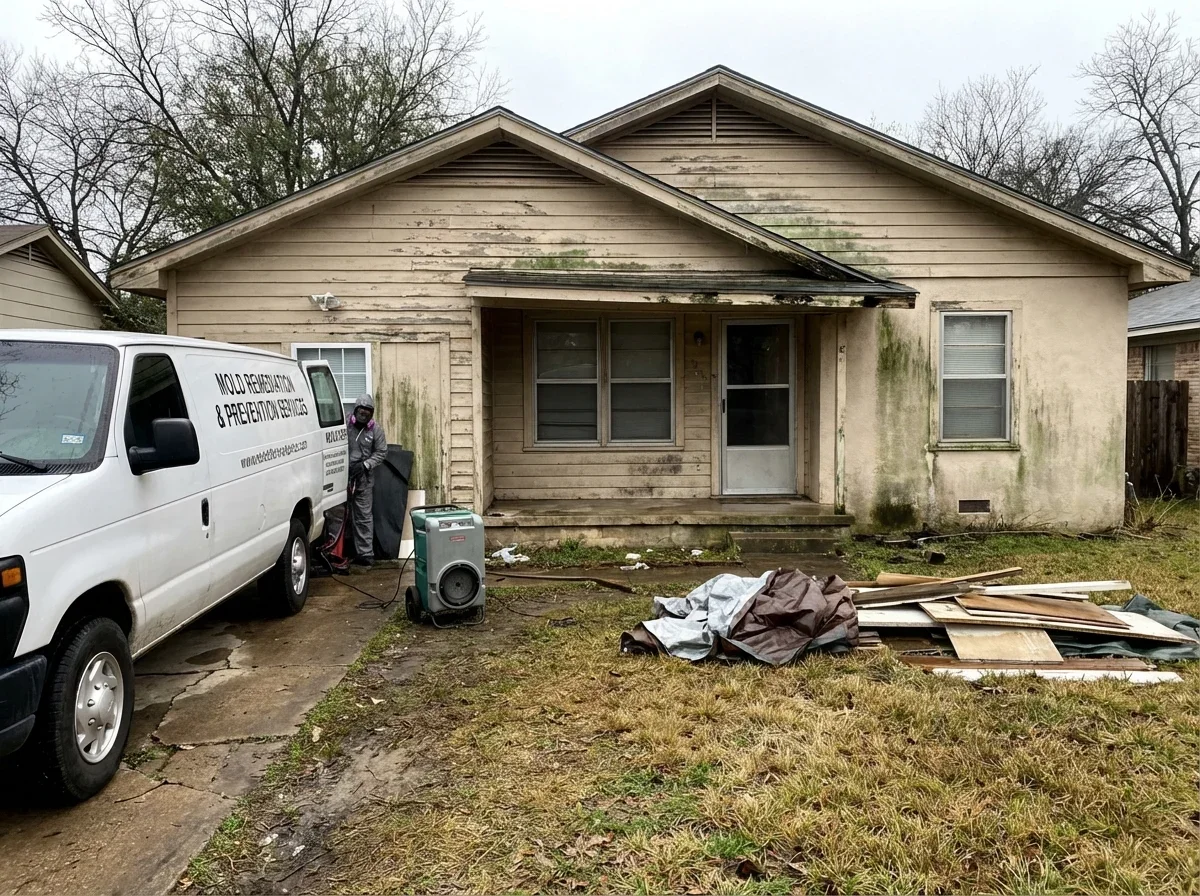
When Do You Need Mold Prevention Services?
You don't wait for mold to appear. You act when conditions invite it.
If your property sits in a flood zone—Houston, Corpus Christi, or anywhere along the Gulf Coast—you're already at elevated risk. Post-hurricane moisture penetrates walls, attics, and crawl spaces. Even if water recedes quickly, trapped humidity creates perfect conditions for growth within 24-48 hours.[2]
New construction in Dallas or Austin? Builders seal homes tighter for energy efficiency, which traps moisture if ventilation fails. Summer attic temperatures exceeding 140°F create condensation when cooler air meets hot surfaces. Bathroom exhaust fans that vent into attics—common in older Texas homes—dump humidity directly into vulnerable spaces.
You need prevention if you've experienced:
- Flooding or water intrusion within the past 12 months
- Persistent indoor humidity above 60% despite air conditioning[2]
- Musty odors in closets, bathrooms, or HVAC returns
- Visible condensation on windows or pipes during summer months
- Recent renovations that altered airflow or moisture barriers
Prevention costs 60-80% less than remediation. A $2,500 dehumidification system beats a $12,000 mold remediation project every time.
Commercial property managers in San Antonio and Fort Worth use prevention to avoid tenant disputes and maintain lease value. One moldy apartment unit triggers building-wide inspections and potential liability claims.
$ Cost Guide
What Does Mold Prevention Cost in Texas?
Lead with real numbers. Prevention pricing depends on property size, climate exposure, and system scope.
Inspection and Assessment
| Service | Typical Cost |
|---|---|
| Residential moisture assessment (TDLR-licensed) | $200 - $500 |
| Commercial building assessment (per 5,000 sq ft) | $500 - $1,200 |
| Post-storm damage inspection | $350 - $750 |
Dehumidification and Ventilation Systems
Installation costs vary by technology and square footage:
| System | Cost Range | Coverage |
|---|---|---|
| Whole-home dehumidifier (ducted) | $1,500 - $3,500 | Up to 3,000 sq ft |
| Crawl space encapsulation + dehumidifier | $2,800 - $6,500 | Typical 1,200 sq ft crawl space |
| Attic ventilation upgrade (ridge vents + fans) | $800 - $2,200 | Most residential attics |
| Commercial HVAC moisture control retrofit | $4,000 - $12,000 | 10,000+ sq ft buildings |
Larger systems for Plano estate homes or El Paso commercial warehouses cost more. Energy-efficient models qualify for utility rebates in some Texas cities—ask contractors about available programs.
Ongoing Monitoring and Maintenance Plans
| Service Level | Monthly/Quarterly Cost |
|---|---|
| DIY monitoring (sensors only, no service) | $0 (one-time $150-300 equipment cost) |
| Remote monitoring with alerts | $50 - $75/month |
| Quarterly on-site inspections | $100 - $150 per visit |
| Annual comprehensive testing | $300 - $600/year |
Key cost factors:
- Property size: Dehumidifier capacity scales with square footage
- Climate zone: Gulf Coast properties need more robust systems than arid West Texas
- Post-disaster timing: Emergency post-hurricane installations cost 20-30% more
- Accessibility: Crawl space work in tight clearances increases labor costs
ROI and Property Value
Insurance claims for mold damage average $10,000-15,000 in Texas. Prevention systems pay for themselves by avoiding a single major incident. Homes with documented moisture control sell faster and appraise higher—particularly in flood-prone Houston and Corpus Christi markets.
Rental properties avoid vacancy costs. A moldy unit loses 3-6 months' rent during remediation and turnover. A $3,000 prevention investment protects $15,000+ in annual rental income.
Most systems carry 5-10 year equipment warranties. TDLR-licensed contractors provide written protocols that satisfy insurance requirements and real estate disclosures.
→ What to Expect
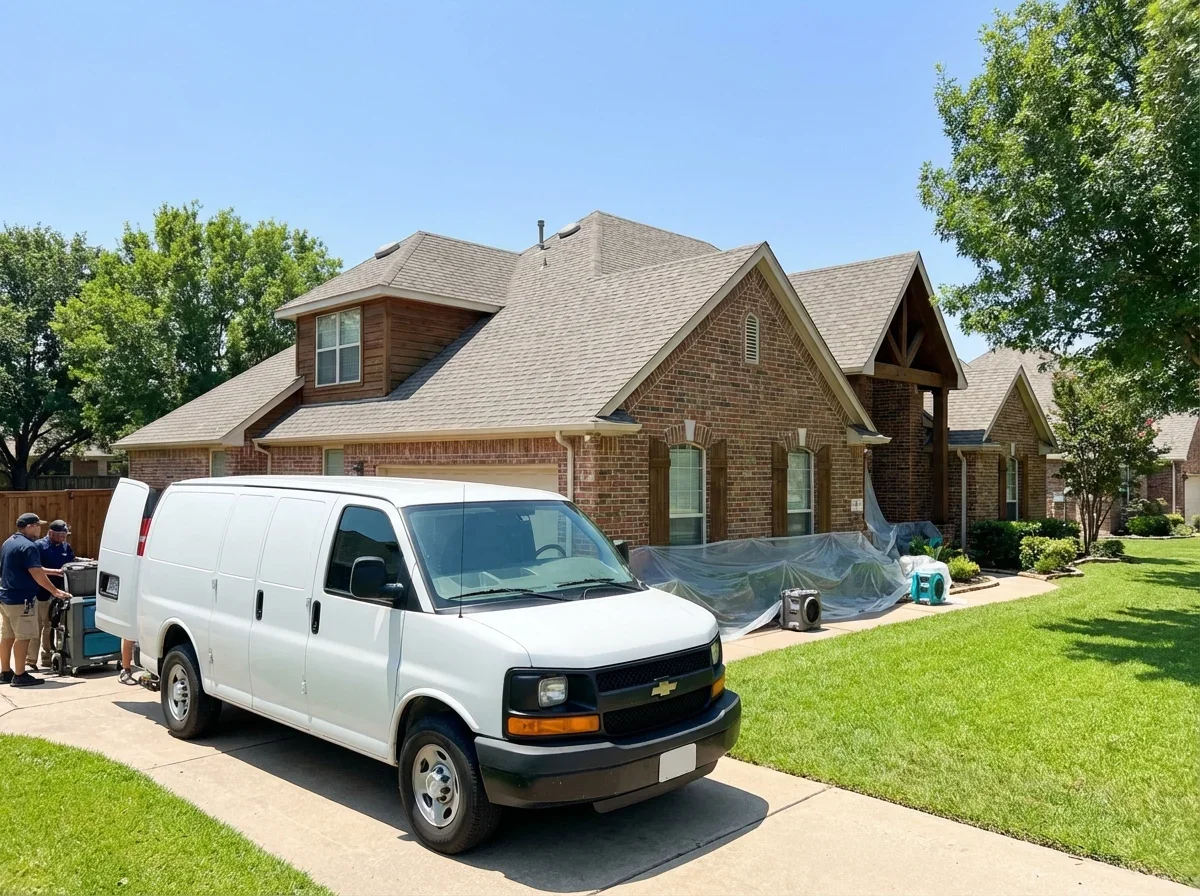
The Mold Prevention Process
Effective prevention targets moisture at the source. Here's what qualified contractors do:
Initial Moisture and Risk Assessment
A licensed Mold Assessment Consultant (TXMACE #) inspects your property with calibrated tools—thermal cameras, moisture meters, hygrometers.[1] They identify:
- Current moisture levels in walls, floors, and ceilings
- HVAC performance and condensation risks
- Ventilation deficiencies (bathroom fans, attic vents, crawl space airflow)
- Historical water damage indicators (stains, warping, previous flooding)
This assessment costs $200-500 for residential properties, more for commercial buildings. You receive a written report with humidity readings and risk zones.
Installation of Control Systems
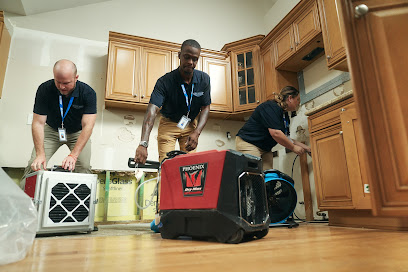
Based on assessment findings, contractors install moisture control equipment:
| System Type | Application | Climate Benefit |
|---|---|---|
| Whole-home dehumidifier | Integrated with HVAC or standalone units | Maintains 30-50% RH year-round[3] |
| Crawl space encapsulation | Vapor barriers plus dedicated dehumidification | Stops ground moisture in humid East Texas |
| Attic ventilation upgrades | Ridge vents, gable fans, radiant barriers | Reduces summer condensation in 140°F+ attics |
| HVAC condensate management | Drain line cleaning, drip pan monitoring | Prevents water backup common in high-use months |
Installation takes 1-3 days depending on system complexity. Expect minor disruption for electrical work and ductwork modifications.
Antimicrobial Treatment and Barrier Application
For high-risk areas—post-flood properties, commercial kitchens, rental bathrooms—contractors apply EPA-registered antimicrobial coatings to surfaces. These create hostile environments for spore colonization without ongoing chemical exposure.
Vapor barriers in crawl spaces and moisture-resistant drywall in bathrooms add physical protection. This phase happens concurrently with system installation.
Monitoring and Follow-Up
Ongoing monitoring separates one-time fixes from true prevention. Options include:
- Monthly remote monitoring via Wi-Fi humidity sensors ($50-75/month)
- Quarterly inspections with equipment calibration ($100-150 per visit)
- Annual air quality testing to verify spore counts remain low
Commercial properties often bundle monitoring with HVAC maintenance contracts. Residential clients typically choose quarterly inspections during humid months (May-September).
✓ Choosing a Contractor
How to Choose a Mold Prevention Contractor in Texas
Not all moisture control companies hold proper licensing. Here's how to separate qualified professionals from unlicensed handymen.
TDLR Licensing and Certifications
Texas law requires specific credentials for mold-related work.[1] Ask contractors:
- "What's your TDLR license number?" Look for TXMACE # (assessment) or TXMRC # (remediation). Verify at tdlr.texas.gov/mold.
- "Are you insured for mold-related liability?" General contractor policies often exclude mold work.
- "Who performs the moisture assessment?" The person inspecting must hold the TXMACE credential—not a sales rep.
- "Can I see references from similar properties?" Post-hurricane coastal homes differ from dry West Texas construction.
- "What equipment do you use for moisture detection?" Thermal cameras and calibrated meters are standard. Visual inspections alone aren't sufficient.
Experience with Texas Climate Challenges
Questions to ask:
- How many post-Harvey or post-flood prevention projects have you completed?
- What dehumidifier brands do you install, and why? (Reputable contractors explain equipment choices, not just price)
- How do you handle attic moisture in 140°F+ summer conditions?
- What's your protocol for crawl space encapsulation in high water table areas?
- Do you provide written humidity targets for my climate zone?
Technology and Equipment Standards
- Do you offer remote monitoring options? Modern systems send alerts before problems escalate.
- What warranties cover equipment and installation? 5+ years is standard for quality dehumidifiers.
- How often do you recommend recalibration? Annual sensor checks maintain accuracy.
Red flags:
- Refusing to provide TDLR license numbers or insurance certificates
- Pressure tactics ("mold will spread if you don't sign today")
- Quotes significantly below market (cutting corners on equipment quality)
- No written moisture assessment report—just verbal recommendations
Texas law requires written remediation protocols for contamination over 25 square feet. Prevention work doesn't always trigger this threshold, but professional contractors document everything anyway—baseline readings, equipment specs, maintenance schedules.
Compare multiple contractors through our directory. Licensed professionals compete on expertise and service quality, not just price. Your property deserves protection from someone who understands Texas humidity, Gulf Coast flooding, and TDLR compliance requirements.
For properties with existing concerns, start with a professional mold inspection before investing in prevention systems. Addressing active growth first ensures your prevention investment protects clean conditions, not hidden contamination.
Top Contractors for Mold Prevention Services
View all →


Frequently Asked Questions
- Texas Department of Licensing and Regulation (TDLR). "Mold-Related Services." https://www.tdlr.texas.gov/mold/mold.htm. Accessed April 02, 2026.
- U.S. Environmental Protection Agency (EPA). "Mold Prevention Strategies and Possible Health Effects." https://www.epa.gov/mold/mold-prevention-strategies-and-possible-health-effects. Accessed April 02, 2026.
- U.S. Department of Energy. "Humidity and Moisture Control." https://www.energy.gov/energysaver/humidity-and-moisture-control. Accessed April 02, 2026.