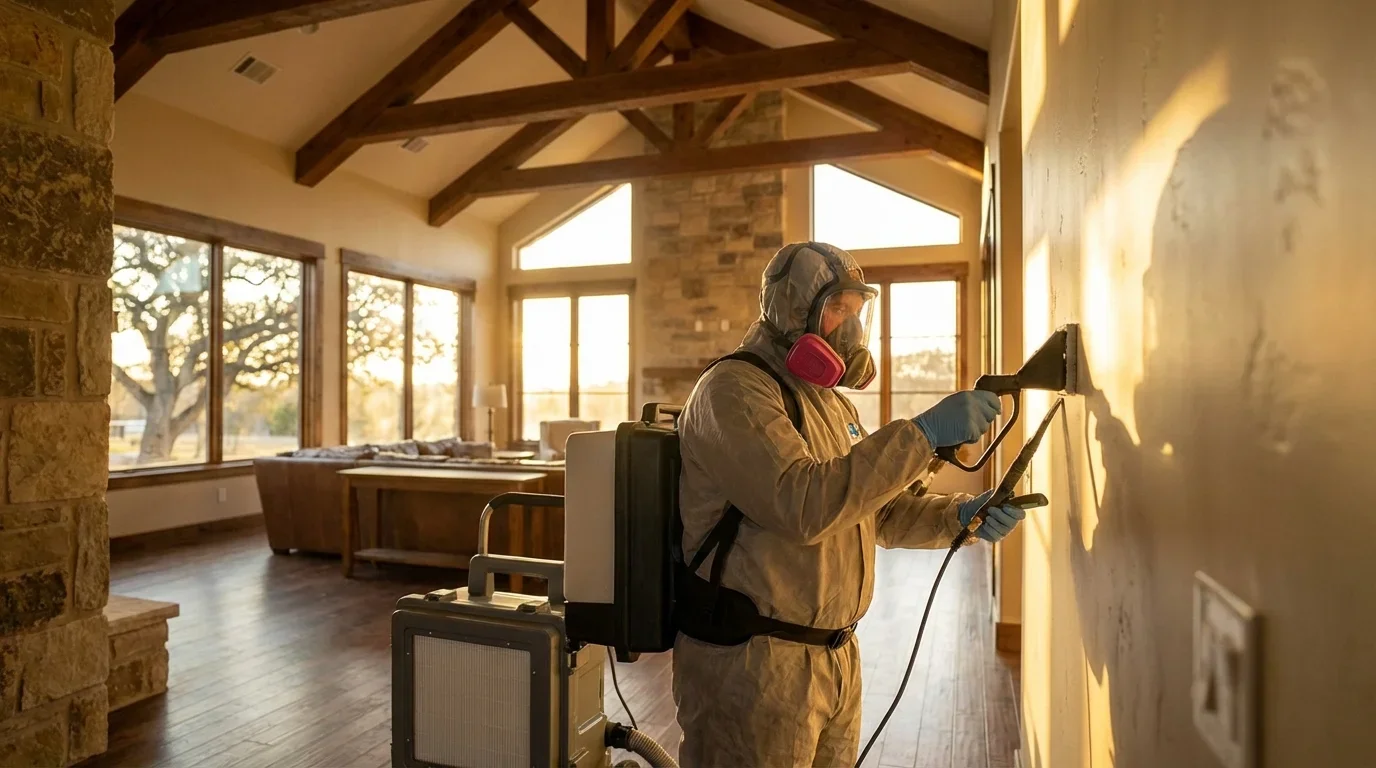
Water Damage Doesn't Wait — Neither Should You
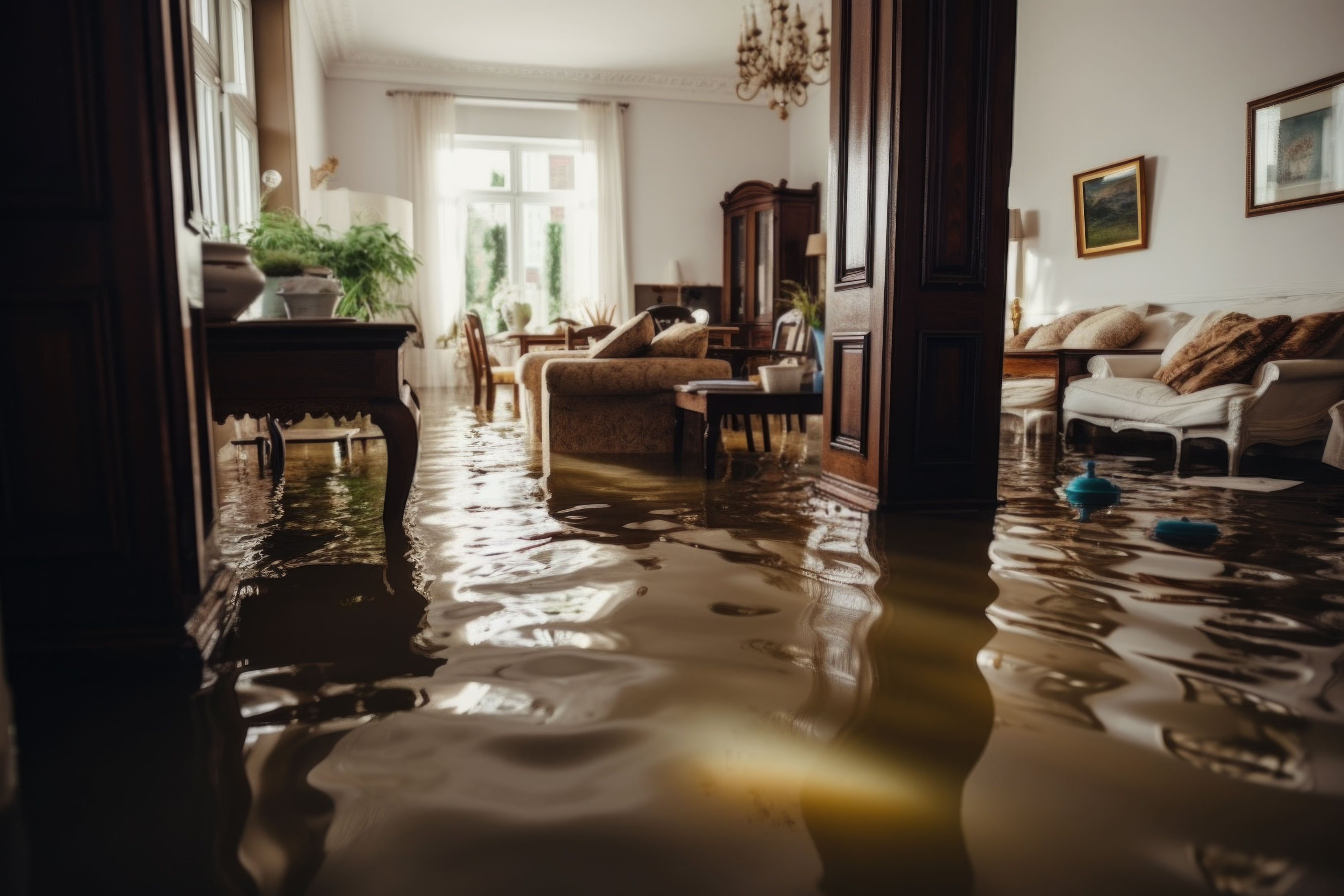
Mold starts growing within 24-48 hours of water exposure. Texas floods, burst pipes, and roof leaks create the perfect breeding ground for toxic spores that threaten your family's health and your home's value.
- Emergency response when minutes matter
- Stop mold before it spreads through walls
- Protect your investment and your lungs
⚠ Common Issues
When Do You Need Emergency Mold Remediation?
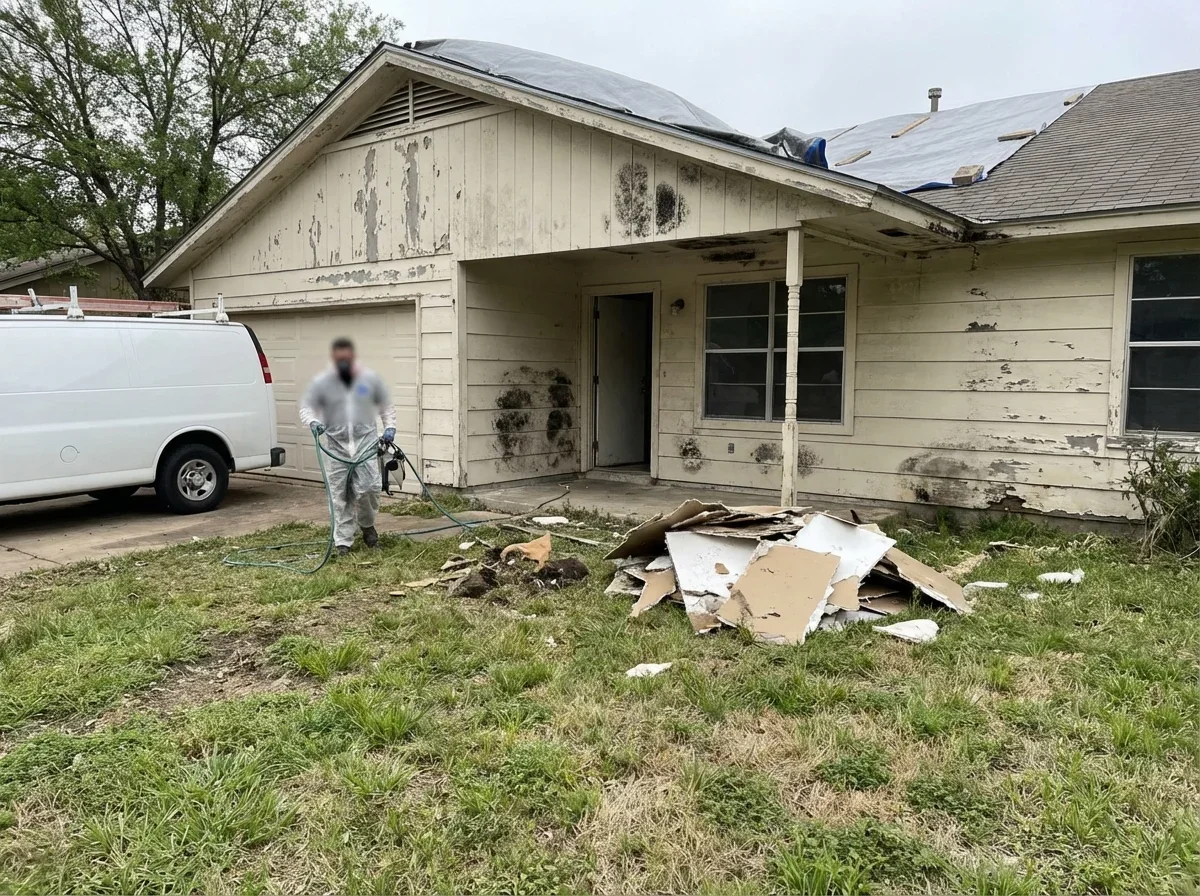
You need professional intervention the moment water damage occurs — not when you see visible mold. Texas Gulf Coast humidity accelerates growth within 24 hours of water intrusion.[3] Houston and Corpus Christi properties face even faster colonization rates due to year-round moisture.
Check for these warning signs immediately after any water event:
- Visible mold patches (green, black, or white fuzzy growth on walls, ceilings, or floors)
- Persistent musty or earthy odors even after surface drying
- Standing water present for more than 24 hours
- Damp drywall, insulation, or carpet that stays wet to the touch
- Discoloration or water stains expanding beyond the original leak area
Category 2 and 3 water damage carries the highest mold risk. Gray water (washing machines, dishwashers) and black water (sewage, flooding) introduce bacteria and organic matter that feed mold growth faster than clean water leaks.
The critical window is 48-72 hours. After that, containment becomes more complex and remediation costs escalate. Dallas and San Antonio properties hit during summer months face condensed timelines — extreme heat combined with AC condensation creates ideal conditions for rapid spread.
If the water source involved sewage, flooding, or stagnant water, assume Category 3 contamination. This requires full structural drying before mold removal begins.
$ Cost Guide
What Does Water Damage Mold Removal Cost in Texas?
Emergency water damage mold remediation pricing varies based on water category, affected area, and structural penetration. Austin and San Antonio market rates reflect regional labor and equipment costs.
Emergency Response and Assessment Fees
| Service Component | Typical Cost Range |
|---|---|
| Emergency response (24-hour) | $500 - $1,200 |
| Water extraction and initial drying | $800 - $2,500 |
| Mold inspection with moisture mapping | $300 - $600 |
| Air quality testing (pre-remediation) | $350 - $650 |
Emergency callouts on weekends or during hurricane season often carry 20-30% surcharges. Houston properties facing post-flooding scenarios see the high end of these ranges.
Remediation Costs by Project Size
| Affected Area | Containment + Removal | Structural Treatment |
|---|---|---|
| Single room (100-300 sq ft) | $1,500 - $4,000 | $800 - $1,500 |
| Multiple rooms (300-1,000 sq ft) | $3,500 - $7,000 | $1,500 - $3,000 |
| Whole-house (1,000+ sq ft) | $7,000 - $15,000+ | $3,000 - $6,000+ |
Cost drivers include: water category (Category 3 sewage/flooding costs 40-60% more than clean water), structural drying equipment rental ($300-$800/day), wall cavity access and drywall replacement, HVAC system cleaning if spores entered ductwork.
Arlington and Plano properties with finished basements or complex HVAC systems often see higher remediation costs due to accessibility challenges and HVAC mold removal requirements.
Insurance Coverage Considerations
Most Texas homeowners policies cover sudden water damage mold if remediation starts within 72 hours and you document the original water event (burst pipe, appliance failure). Flood-related mold requires separate NFIP or private flood insurance.
Expect insurance adjusters to require moisture readings, photos of the water source, and contractor estimates within 48-96 hours. Contractors experienced with insurance claim mold services streamline this documentation process and negotiate directly with adjusters.
Typical out-of-pocket after insurance: $500-$2,000 deductible. Policies rarely cover mold from long-term leaks, maintenance neglect, or groundwater seepage.
→ What to Expect
The Water Damage Mold Removal Process
Emergency water damage mold remediation follows a strict protocol designed to stop spread, remove contamination, and verify safe re-occupancy. Texas TDLR regulations mandate that only licensed contractors perform assessment and remediation work.[1]
Emergency Water Extraction and Drying
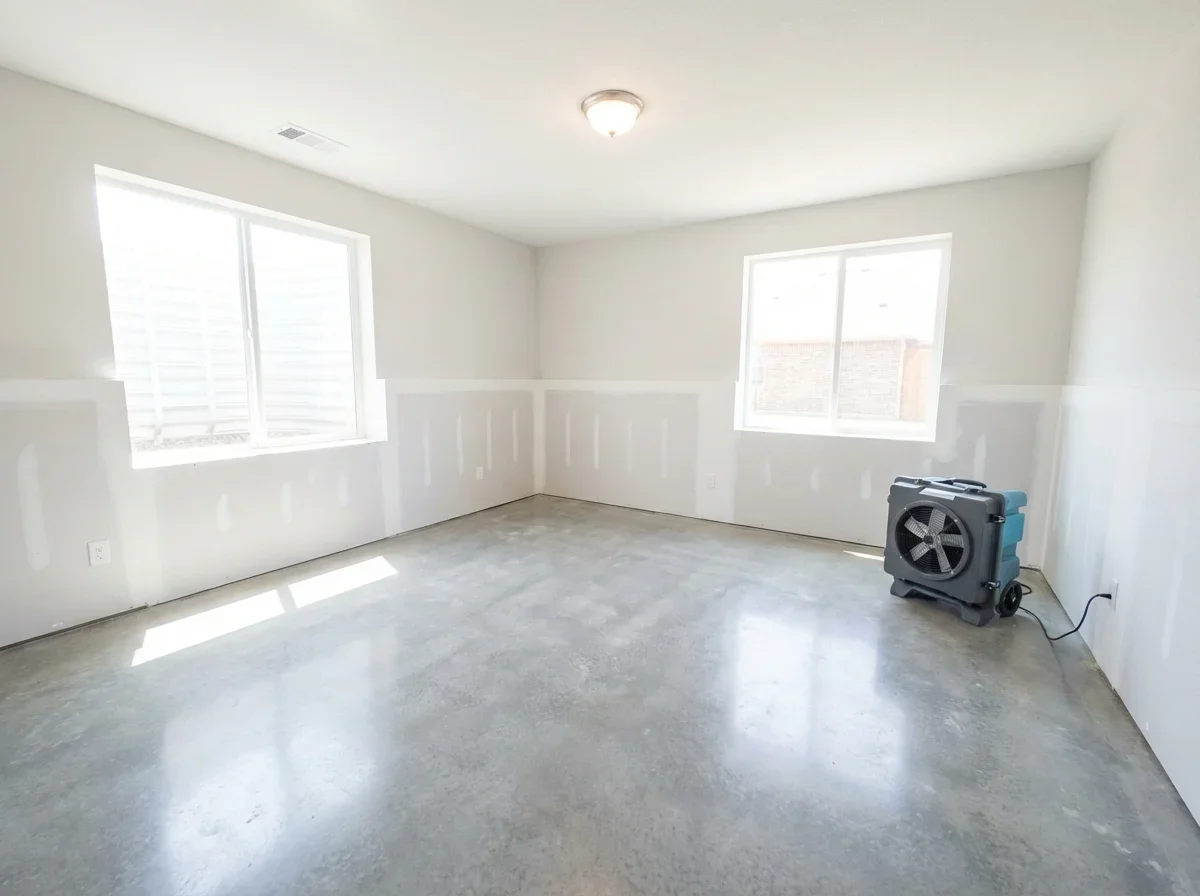
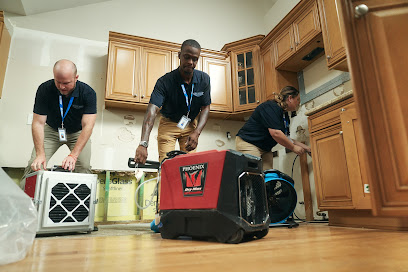
First priority: remove standing water and achieve structural drying. Technicians use industrial extractors, dehumidifiers, and air movers to reduce moisture content below 15% before mold removal begins.[3] This typically requires 24-72 hours of continuous equipment operation depending on material saturation levels.
Moisture meters and thermal imaging identify hidden water pockets in wall cavities, subfloors, and insulation. Fort Worth and Plano properties with pier-and-beam foundations often harbor moisture in crawlspaces that standard drying misses.
Containment and Air Filtration Setup
Once drying completes, contractors establish physical containment using 6-mil polyethylene barriers to isolate affected areas. Negative air machines with HEPA filtration maintain air pressure differential, preventing mold spores from migrating to unaffected rooms during removal work.
Mold Removal and Structural Treatment
Non-porous materials (tile, metal) receive antimicrobial treatment and HEPA vacuuming. Porous materials heavily contaminated with mold (drywall, insulation, carpet padding) are removed and disposed of following TDLR guidelines.[2]
Structural wood receives wire brushing, HEPA vacuuming, and EPA-registered antimicrobial application. Studs, joists, and framing stay in place unless rot compromises structural integrity.
Post-Remediation Verification
After cleaning, contractors conduct visual inspection and air quality testing to verify spore counts return to normal background levels. Most post-remediation verification includes clearance testing before containment barriers come down.
Timeline for typical water damage mold project: 3-7 days from initial assessment to final clearance, depending on affected square footage and material removal scope.
✓ Choosing a Contractor
How to Choose a Water Damage Mold Contractor in Texas
Emergency situations demand contractors who hold proper licensing, respond immediately, and navigate insurance requirements efficiently. Texas law is strict — unlicensed work voids insurance claims and exposes you to liability.
TDLR Licensing Verification (Required)
Every mold remediation contractor in Texas must hold both company and individual licenses issued by TDLR.[1] Verify before signing contracts:
- Company license number (search at tdlr.texas.gov/mold/)
- Individual remediator licenses for all technicians entering your property
- Current general liability and workers' compensation insurance
- Proof of EPA-approved training and exam passage[2]
Unlicensed contractors cannot legally perform mold work in Texas. Insurance companies reject claims if unlicensed work occurred.
Questions to Ask Before Hiring
- "What's your typical emergency response time?" — You need same-day or next-day service. Water damage doesn't wait.
- "Do you handle structural drying in-house?" — Separate contractors for water extraction and mold removal delay the process and increase costs.
- "Will you coordinate directly with my insurance adjuster?" — Experienced contractors know exactly what documentation insurers require.
- "What equipment do you use for containment and air filtration?" — Look for negative air machines with HEPA filtration, not just fans and tarps.
- "Do you provide post-remediation clearance testing?" — Reputable contractors include air quality verification in their scope.
Red Flags That Signal Problems
- Refusing to provide TDLR license numbers upfront
- Quoting projects without physical inspection and moisture mapping
- Pressure tactics ("we can start today but only if you sign now")
- No written contract detailing scope, timeline, and payment terms
- Offering to "work directly with insurance" without explaining your role in the claim
Compare multiple TDLR-licensed contractors in your area using our directory. Look for verified credentials, emergency response capabilities, and insurance claim experience specific to water damage scenarios.
El Paso and Lubbock properties often face different moisture conditions than Gulf Coast cities — choose contractors familiar with your local climate challenges and building construction methods.
Top Contractors for Water Damage Mold Removal
View all →

Frequently Asked Questions
- Texas Department of Licensing and Regulation (TDLR). "Mold Abatement Frequently Asked Questions." https://www.tdlr.texas.gov/mold/moldfaq.htm. Accessed April 02, 2026.
- Texas Department of Licensing and Regulation (TDLR). "Mold Abatement License Requirements." https://www.tdlr.texas.gov/mold/moldlicreq.htm. Accessed April 02, 2026.
- U.S. Environmental Protection Agency (EPA). "Guidelines for Responding to Water Damage in Buildings." https://www.epa.gov/mold/guidelines-responding-water-damage-buildings. Accessed April 02, 2026.