Ask About TDLR Licensing and Verify It Yourself
Texas requires every mold remediation company to hold a TDLR Mold Remediation Company license, and every technician performing the work must be a licensed Mold Remediation Worker. Don't take a contractor's word for it. Ask for their license number on the phone, then verify it yourself at https://www.tdlr.texas.gov/mol/mol.htm before scheduling an estimate.
A Today Show investigation sent an undercover reporter to eight contractors. Five diagnosed "black mold" by sight alone and discouraged professional testing. Texas law requires mold assessors and remediators to be separate companies specifically to prevent this conflict of interest, yet unlicensed operators ignore the rule entirely.
If a company tells you they can inspect and remediate, that's an immediate disqualifier.
The assessment must come from an independent TDLR-licensed Mold Assessment Company. Remediation companies profit from finding more mold, so letting them inspect creates the exact incentive structure Texas law was designed to eliminate. Ask who performed the assessment. If they say "we did," or they offer to waive the inspection fee if you hire them for remediation, walk away.
Require an Independent Mold Assessment Before Any Quote
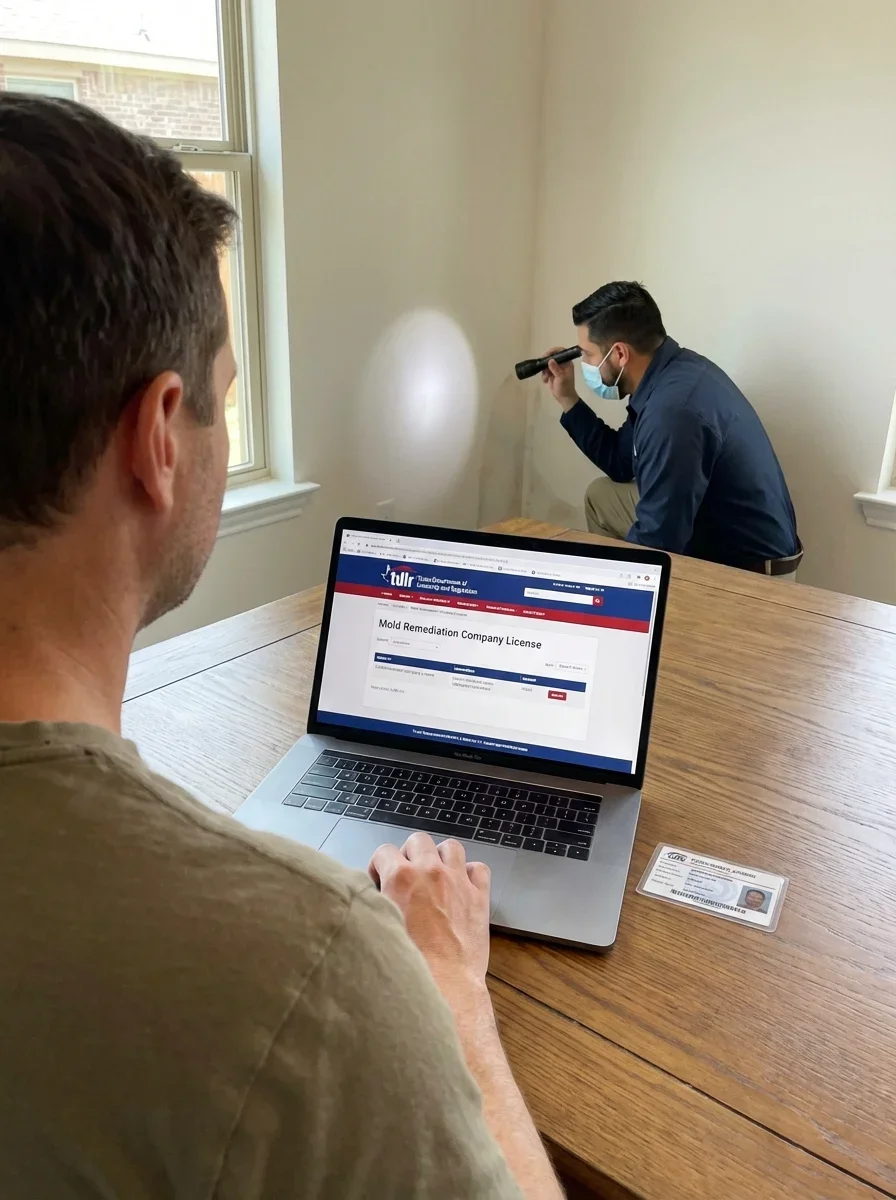
No one can identify mold species or health risk by looking at it. You need laboratory analysis of air or surface samples collected by a licensed Mold Assessment Technician. The assessment report tells you what's growing, where it's growing, and the moisture source driving it.
Remediation companies bid on that report, not on their own visual guesses.
Get your mold inspection done first, by a company that doesn't do remediation work. Once you have the assessment report in hand, send it to at least three TDLR-licensed remediation contractors for competitive bids. This process prevents the scenario where one contractor quotes $1,200 while another quotes $10,000 for the same problem—a spread documented in multiple Texas homeowner accounts.
If a contractor pushes back and says testing isn't necessary, or claims they can "tell just by looking," that's a red flag. Legitimate remediators work from written assessment reports that specify containment boundaries, air filtration requirements, and post-remediation verification protocols.
Anything less is guesswork, and you'll pay for their mistakes.
Pro Tip: Never hire a company that offers both inspection and remediation services. Texas law mandates separation to eliminate conflicts of interest. If a contractor offers to "waive the inspection fee" when you hire them, that's an illegal practice and an immediate red flag.
Ask How They'll Address the Moisture Source
Mold doesn't grow without water. If a company focuses only on removing visible mold without identifying and fixing the moisture intrusion, you're buying temporary cosmetic work. In Texas, the most common hidden moisture sources are slab leaks from corroded plumbing, foundation cracks from expansive clay soil movement, and HVAC condensate drain pan overflows.
Ask specifically: "What's causing the moisture, and what's your plan to eliminate it?" A qualified contractor will discuss coordination with a licensed plumber (for slab leaks), a structural engineer (for foundation issues), or an HVAC technician (for duct condensation).
Mold remediation without moisture correction is a waste of money—the growth returns within months.
Houston, Dallas, and San Antonio sit on expansive Blackland Prairie clay that swells when wet and shrinks when dry. This seasonal movement cracks slab foundations and the plumbing embedded beneath them, creating slow leaks that saturate insulation and drywall from below. If your assessment report notes moisture in wall cavities or under flooring, insist on a plumber's camera inspection of under-slab lines before remediation begins.
Fixing the pipe is not the mold company's job, but they should refuse to start work until the water source is eliminated.
Request Detailed Scope-of-Work Documentation
A legitimate remediation proposal breaks down every step: containment setup, HEPA air filtration, removal of affected materials, antimicrobial application, and post-remediation verification testing. Vague proposals like "mold removal and treatment: $4,500" hide what you're actually paying for.
Ask for line-item pricing that matches the independent assessment report. If the assessor documented mold in 40 square feet of drywall, the remediation proposal should specify removal of that exact area, not "treat affected areas as needed."
Undefined scope invites change orders and inflated final bills.
One Texas homeowner paid $200 for a technician to spray mold-killer paint on a fist-sized spot of surface mold—a cosmetic fix that cost the contractor roughly $2 in materials. The work wasn't itemized. It was bundled into a "mold treatment" line. Detailed documentation protects you from paying professional rates for tasks you could handle yourself, and it creates accountability when the contractor wants to expand the scope mid-job.
Essential Items Your Scope-of-Work Must Include:
- Exact square footage of material removal (drywall, insulation, flooring)
- Number and placement of HEPA air scrubbers and containment barriers
- Antimicrobial products used and application method
- Timeline with start date, daily schedule, and estimated completion
- Post-remediation clearance testing (who performs it and when)
- Debris removal and disposal procedures
- Any necessary coordination with plumbers, HVAC techs, or structural engineers
Confirm They'll Use Containment and HEPA Filtration
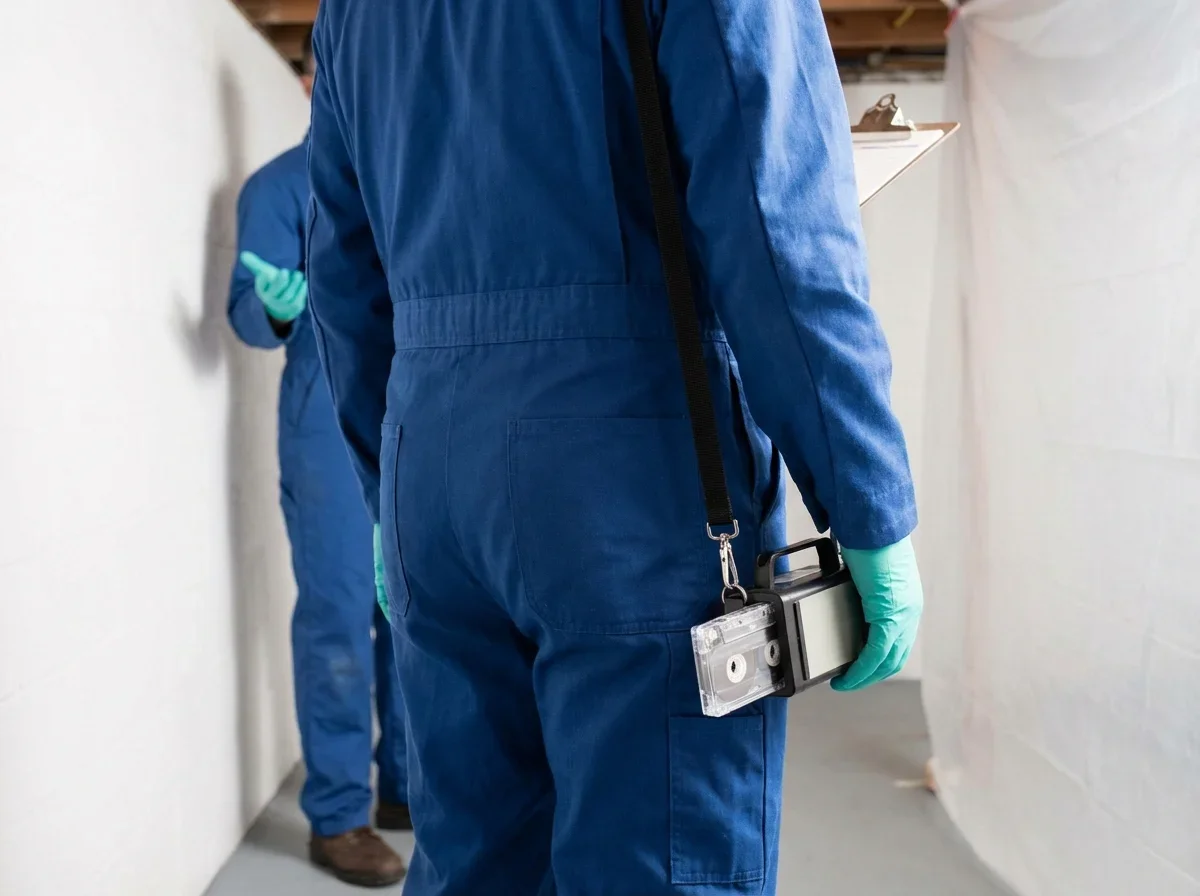
Professional mold remediation follows IICRC S520 standards, which require physical containment barriers and HEPA-filtered negative air machines to prevent spore spread during removal. If a contractor plans to "wipe it down" or "spray and seal" without containment, they're contaminating the rest of your home.
Ask: "Will you set up containment barriers with plastic sheeting and zipper doors? How many HEPA air scrubbers will you run?" Competent contractors will describe their containment plan in detail, including how they'll maintain negative air pressure to keep spores from escaping the work area.
For whole-house projects, they should discuss isolating HVAC systems or sealing vents.
Texas homes run air conditioning eight months a year. If remediation happens in an attic or wall cavity connected to return air ducts, disturbed mold spores can circulate through your entire HVAC system within hours. One San Antonio family discovered mold in their HVAC system after a contractor removed attic mold without sealing off ductwork.
The cleanup bill tripled. Containment isn't optional—it's the difference between controlled remediation and whole-house contamination.
Ask About Post-Remediation Clearance Testing
Remediation isn't complete until an independent assessor performs clearance testing and issues a certificate confirming spore levels have returned to normal. This must be done by the original assessment company or another TDLR-licensed assessor—never by the remediation contractor.
Ask: "Is post-remediation verification included in your quote, or is that separate?" Some contractors include the clearance test fee in their proposal. Others expect you to hire the assessor directly.
Either way, the remediation company should not release final payment until you have a passing clearance report in hand.
A Houston couple hired a remediation contractor who promised "guaranteed results" but never mentioned clearance testing. After the crew left, visible mold was gone, but the couple's respiratory symptoms persisted. An independent air quality test revealed spore counts still 10x higher than outdoor levels. The contractor had disturbed mold without proper containment, then painted over residual growth.
Without clearance testing, you have no proof the job is done right.
Verify Insurance Coverage and Workers Comp
Ask for certificates of insurance covering general liability, pollution liability, and professional liability. Pollution liability is critical—it covers damage if remediation spreads contamination. Texas does not require mold remediation companies to carry workers compensation insurance, but reputable contractors carry it anyway to protect you from liability if a worker is injured on your property.
Request copies of these certificates directly from the contractor's insurance agent, not from the contractor. Verify the policies are current and list coverage limits.
A company operating without proper insurance can leave you personally liable for injuries, property damage, or failed remediation that requires a second contractor to fix.
One elderly Florida couple received a bill for $28,570 after their contractor promised to bill insurance directly. The insurance company denied the claim because the contractor's work didn't meet policy requirements. The couple was left holding the debt. In Texas, contact your insurer before hiring anyone to confirm what they will and won't cover. Many Texas homeowners policies exclude mold caused by long-term leaks or maintenance neglect, covering only sudden water events like burst pipes or storm damage.
Ask your contractor: "Have you worked with [your insurance company] before, and what documentation will they need?"
| Insurance Type | What It Covers | Why You Need It |
|---|---|---|
| General Liability | Property damage, bodily injury during remediation | Protects you if contractor damages your home or injures someone |
| Pollution Liability | Contamination spread during remediation work | Critical coverage if mold spores spread to unaffected areas |
| Workers Compensation | Contractor employee injuries on your property | Shields you from lawsuits if a worker gets hurt on-site |
| Professional Liability | Errors, omissions, or failed remediation requiring rework | Covers costs if the job is done incorrectly and must be redone |
Compare Multiple Quotes and Question Extremes
Contact at least three TDLR-licensed remediation companies and send each the same assessment report. Quote variations of 30-50% are normal due to different labor rates and equipment.
Variations of 200-300% signal either severe lowballing or severe price gouging.
If one quote is dramatically lower, ask what's being cut. Are they skipping containment? Using non-HEPA equipment? Leaving post-remediation verification as an "optional add-on"? If one quote is dramatically higher, ask what justifies the premium. Specialized equipment for attic access? Asbestos testing for homes built before 1980? Night or weekend work to minimize disruption?
Three quotes give you a realistic baseline for the actual scope and cost.
One Houston homeowner received quotes ranging from $3,200 to $18,500 for remediating 60 square feet of bathroom mold behind a shower surround. The $3,200 bid included no containment and no clearance testing—just "remove and replace drywall." The $18,500 bid included structural drying, antimicrobial fogging, and duct cleaning that the assessment report never recommended.
The middle quote at $6,800 matched the actual documented scope.
Ask About Timeline and Disruption
Mold remediation for a typical bathroom or attic takes 3-5 days: one day for containment setup, 1-2 days for removal and cleaning, one day for drying and antimicrobial treatment, then clearance testing. Whole-house projects can take two weeks. Ask for a written timeline and what parts of your home will be inaccessible.
If you're living in the home during remediation, ask about noise, dust control, and utilities. Will they need to shut off your HVAC? Where will containment barriers restrict access? Do they work nights or weekends?
For rental properties or commercial spaces, ask if they can work around tenant schedules.
Texas summers mean AC is non-negotiable. If remediation requires shutting down your HVAC for days in July, ask if they'll provide temporary cooling or allow you to delay work until fall. One Dallas landlord had tenants break their lease after a contractor shut off air conditioning for five days during a 98°F heat wave without notice.
Clear timeline expectations prevent miserable surprises.
Confirm Disposal and Debris Removal Is Included
Mold-contaminated materials must be double-bagged and disposed of according to local regulations. Some contractors include debris removal and disposal fees in their quote. Others charge extra or expect you to handle it.
Ask: "Does your quote include hauling and disposal of all removed materials?"
In Austin, San Antonio, and Houston, municipal waste services won't accept mold-contaminated construction debris in regular trash. It must go to specific landfills or transfer stations. If your contractor leaves bagged drywall and insulation in your driveway, you'll pay a junk removal service $200-500 to haul it.
Ask if they'll repair and restore surfaces after removal, or if you'll need to hire a separate contractor for drywall replacement, painting, and trim work. Some remediation companies offer turnkey restoration. Others strictly remove contaminated materials and leave reconstruction to you.
Know which you're getting before signing a contract.
Look for Certifications Beyond TDLR Licensing
TDLR licensing is the legal minimum. Additional certifications signal deeper expertise and adherence to national standards. Ask if technicians hold IICRC Applied Microbial Remediation Technician (AMRT) certification or Indoor Environmental Consultant (CIE) credentials from the American Council for Accredited Certification.
These certifications require continuing education and demonstrate familiarity with the IICRC S520 mold remediation standards that guide best practices nationwide. Companies advertising a 96% success rate or specific certifications are making verifiable claims you can check.
Ask for technician names and certification numbers, then verify them at IICRC.org.
Bilingual service capability matters in South Texas markets with large Spanish-speaking populations. If English isn't your first language, ask if the company has Spanish-fluent project managers who can explain the scope, timeline, and clearance results in detail.
Miscommunication about containment boundaries or clearance testing can lead to disputes over final payment.
Ask About Warranties and What Voids Them
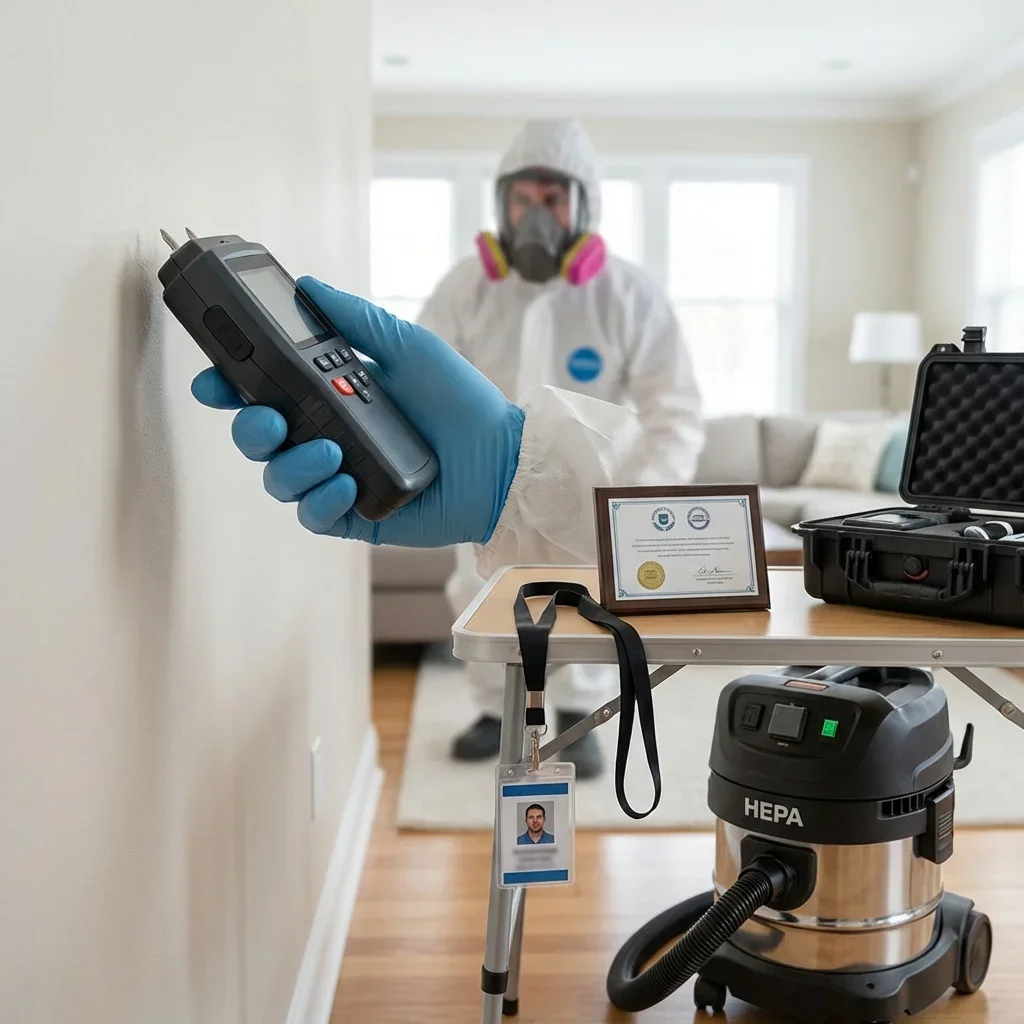
Some contractors offer warranties guaranteeing mold won't return for 1-5 years. Read the fine print. Most warranties are voided if the original moisture source isn't permanently fixed, if you don't maintain proper ventilation, or if a new water event occurs.
Ask: "What does your warranty cover, and what voids it?" A legitimate warranty covers recurrence caused by incomplete remediation—spores left behind, inadequate cleaning, or failed containment.
It doesn't cover new mold from a new roof leak, a burst pipe, or chronic humidity you failed to manage.
Texas pier-and-beam homes in older neighborhoods develop crawl space moisture issues when ventilation is blocked or ground vapor barriers deteriorate. If your warranty requires you to maintain crawl space vents or install a dehumidifier, get that in writing before work begins. One Fort Worth homeowner had a warranty claim denied because the contractor said she "failed to maintain adequate airflow"—a term never defined in the original contract.
Question Companies That Push Unnecessary Add-Ons
Legitimate contractors bid the scope documented in the assessment report. Aggressive upselling—offering air duct cleaning, whole-house fogging, or ozone treatments not recommended by the assessor—is a profit play, not a safety measure.
If your assessment report documented mold in a bathroom wall cavity and the remediation quote includes $2,500 for duct sanitization, ask why. Did the assessor find mold in ducts?
If not, the add-on is likely unnecessary.
One San Antonio homeowner was quoted $4,200 for "preventive encapsulation" of an entire attic when the assessment found 8 square feet of mold on roof sheathing from a single leak. Encapsulation wasn't needed—leak repair and localized removal were.
Ask: "Is this service required by the assessment report, or is it optional?" If it's optional, ask what specific problem it solves and request documentation supporting the recommendation.
Pressure to add services on the spot, especially before you've reviewed competing quotes, is a red flag.
Understand What Your Insurance Will Actually Cover
Contact your homeowners insurance company before hiring anyone. Ask specifically what your policy covers and what documentation they require. Many Texas policies exclude mold caused by long-term maintenance neglect but cover mold resulting from sudden, accidental water damage like burst pipes or storm-related roof leaks.
If your mold stems from a chronic plumbing leak you ignored for months, don't expect coverage. If it followed a hail-damaged roof or a washing machine supply line failure, you may be covered.
Ask your contractor if they have experience working with your insurer and what documentation they'll provide for your claim.
Some remediation companies offer to bill your insurance directly. Be cautious. That elderly couple stuck with a $28,570 bill was promised direct billing that never materialized. Always get pre-approval from your insurer in writing before authorizing work, and never sign a contract assigning insurance proceeds directly to the contractor without reviewing your policy's claims process.
Verify References and Check Complaint History
Ask for references from projects completed in the last six months—not generic testimonials from the company website. Call those references and ask specific questions: Did the contractor stick to the timeline? Were there surprise charges?
Did the home pass clearance testing on the first attempt?
Check the company's complaint history with the Better Business Bureau and the TDLR enforcement database. TDLR publishes disciplinary actions against licensed mold companies at https://www.tdlr.texas.gov. A history of complaints about unlicensed workers, missed timelines, or clearance test failures should disqualify a contractor, regardless of how competitive their quote is.
Online reviews offer clues, but focus on recent reviews describing specific experiences with containment, clearance testing, and cost accuracy. Generic five-star reviews like "Great service, very professional!" are less useful than detailed accounts of how a contractor handled a failed clearance test or coordinated with a plumber to fix a slab leak before starting remediation.